
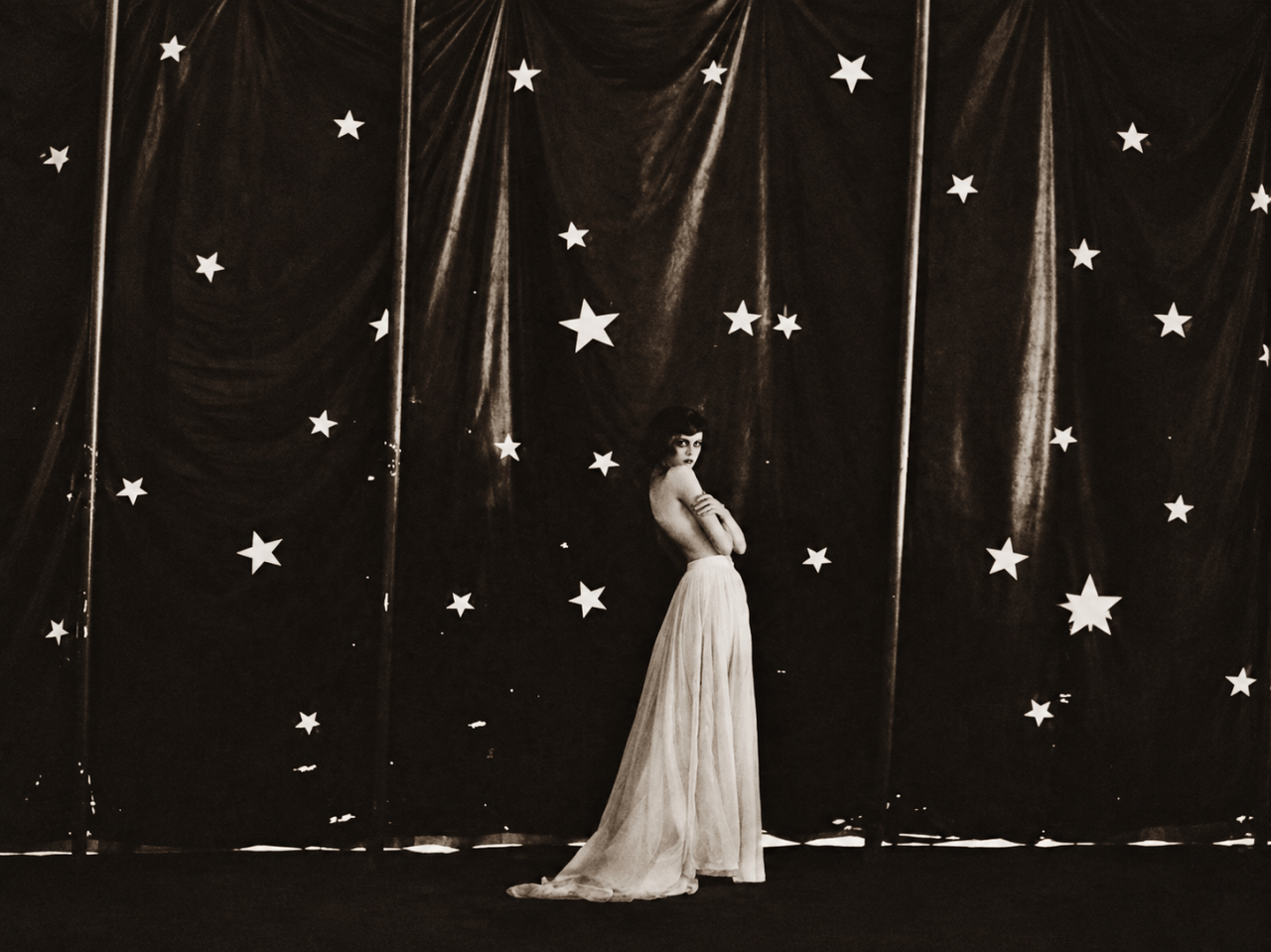
What Your Victorian Ghost Would Be Famous For, Based on Your Birth Month

Every proper Victorian ghost needs a reputation. Maybe you wander the halls at midnight, move one extremely specific object every night, or appear only when someone in the house is about to fall in love. Over the decades, the story grows. New owners learn your name. Children dare each other to summon you. Someone writes a book insisting you never existed. Based on your birth month, here is exactly what your ghost would become famous for.
January
Making the clocks stop at exactly 11:11 every night.
Nobody can explain it. Every clock in the house works perfectly throughout the day, but at 11:11 p.m., they all stop together. They begin again sometime before morning. You have been doing this for over a century, and generations of owners have spent ridiculous amounts of money trying to fix the problem. Your ghost has become famous for one thing: apparently, even death could not make you late.
February
Appearing in photographs you were definitely not there for.
You rarely bother haunting anyone in person. Instead, you show up afterward. A pale figure behind the bride in a wedding photograph. A face reflected in a window. Someone standing at the end of a hallway everyone swears was empty. The strangest part is that you never look frightening. You look mildly amused, as though being dead has given you access to the longest-running private joke in history.
March
Playing the piano after everyone has gone to bed.
The house has changed owners countless times, but nobody has ever been willing to remove the old piano from the drawing room. At exactly the wrong hour, a melody begins downstairs. The song is always beautiful and always unfinished. Legend says you were waiting for someone the night you died, and the final notes will only be played when they return. Naturally, this has made you the most romantic ghost in the county.
April
Slamming one particular door whenever someone lies.
At first, everyone blames the wind. Then they notice the pattern. Someone tells a lie at dinner: slam. Someone insists they did not break the vase: slam. Someone claims they are absolutely not in love with the person sitting beside them: the door nearly comes off its hinges. Within a few generations, families begin settling arguments in your house specifically because the ghost apparently has opinions.
May
Keeping the garden alive long after it should have died.
The house may crumble, paint may peel, and entire rooms may become uninhabitable, but your roses refuse to die. They bloom too early, stay too late, and occasionally appear in colors nobody remembers planting. People travel to see them. Botanists offer explanations. Locals know better. Whatever happened to you, you loved that garden enough to keep tending it long after you stopped having hands.
June
Whispering people’s secrets from the other side of the room.
Guests hear their own names when nobody has spoken. A sentence they said privately appears as a whisper in an empty corridor. Occasionally, you reveal information that causes an absolutely spectacular dinner-party argument. Nobody knows whether you are trying to help, create chaos, or simply entertain yourself. After a hundred years of haunting the same house, boredom probably becomes a factor.
July
Tucking children into bed.
You are the ghost everyone is frightened of until they actually meet you. Children staying in the house talk about the woman or man who pulls the blanket back over them after it slips off, closes the window when the room gets cold, and sits nearby after a nightmare. Adults insist nobody is there. The children know differently. Your haunting becomes less of a horror story and more of a family story passed lovingly from one generation to the next.
August
Descending the staircase in an incredible outfit once a year.
You have standards. You do not rattle chains in an attic every Tuesday. Once a year, on the anniversary of an extravagant party held in the house long ago, you appear at the top of the staircase dressed exactly as you were that night. You walk slowly down, disappear before reaching the bottom, and leave behind the faint smell of perfume. People begin hosting parties specifically hoping you will make an entrance. Naturally, you do.
September
Putting everything back where it belongs.
People deliberately leave objects out just to test you. A book left open is closed by morning. A chair moved from the dining room somehow returns to its exact place. A crooked painting straightens itself overnight. One particularly disrespectful owner renovates the house and wakes up to discover several pieces of furniture returned to their original rooms. You are not an evil spirit. You simply cannot believe what these people have done with the place.
October
Appearing in mirrors right before someone discovers the truth.
You never speak. You simply appear behind someone for half a second, usually when they are already beginning to suspect that something is wrong. Soon afterward, the secret comes out. An affair is discovered. A missing letter is found. Someone finally admits what happened. Over time, seeing you becomes less frightening than useful. If the Victorian ghost appears in the mirror, people know they are about to learn something.
November
Knowing exactly who should not be trusted.
You are perfectly pleasant to most visitors. The fireplace flickers. A floorboard creaks. Perhaps a book falls from a shelf. But occasionally, someone enters the house and everything changes. Doors refuse to stay open around them. Candles extinguish when they speak. Their belongings mysteriously end up outside. Your reputation eventually becomes so reliable that families start reconsidering engagements based entirely on whether the ghost likes the fiancé.
December
Disappearing from the house for months at a time.
This is what makes your haunting so fascinating: nobody knows where you go. You might appear every night for three weeks and then vanish until spring. Occasionally, objects from places thousands of miles away mysteriously appear when you return. A foreign coin. A train ticket. A pressed flower nobody can identify. The prevailing theory is that even after death, you refused to spend eternity in one place.