
7 Bad Omens From Folklore That Have Surprisingly Beautiful Meanings

Folklore has never completely agreed on what counts as good luck. The animal feared in one country could be welcomed in another. A symbol associated with death could also represent wisdom, protection, rebirth, or the beginning of a new cycle. That is part of what makes old superstitions so fascinating: the things humans feared were often the same things they believed could protect, guide, or change them. So if one of these supposedly “bad” omens finds you this October, you may want to learn the rest of its story before assuming the worst.
1. A Black Cat Crossing Your Path
The beautiful meaning: Good fortune may be coming toward you.
The black cat may be one of the most unfairly maligned creatures in Western superstition. Its association with witchcraft and bad luck grew particularly strong in medieval and early-modern Europe, but that interpretation is far from universal. In British folklore, black cats have also been associated with good luck, while Scottish tradition has connected a black cat arriving at a home with prosperity. Black cats have positive associations in Japan as well.
So perhaps the October black cat does not need to be something you fear. Let it remind you how easily something mysterious can be mistaken for something dangerous. The unfamiliar thing entering your life may turn out to be luck arriving in a form you did not recognize.
2. A Crow Appearing Nearby
The beautiful meaning: Pay attention. Something may be asking to be understood.
Crows have carried ominous reputations for centuries. Their dark feathers, intelligence, scavenging habits, and presence around battlefields helped connect them with death and misfortune, and ancient Greek traditions also linked them with prophecy.
But prophecy is not the same thing as punishment. There is another way to look at the crow: as a creature associated with noticing what others miss. If one catches your attention this October, let it become a reminder to look more closely at your own life. What have you known for a while but avoided acknowledging? What keeps repeating? What becomes obvious once you finally stop looking away?
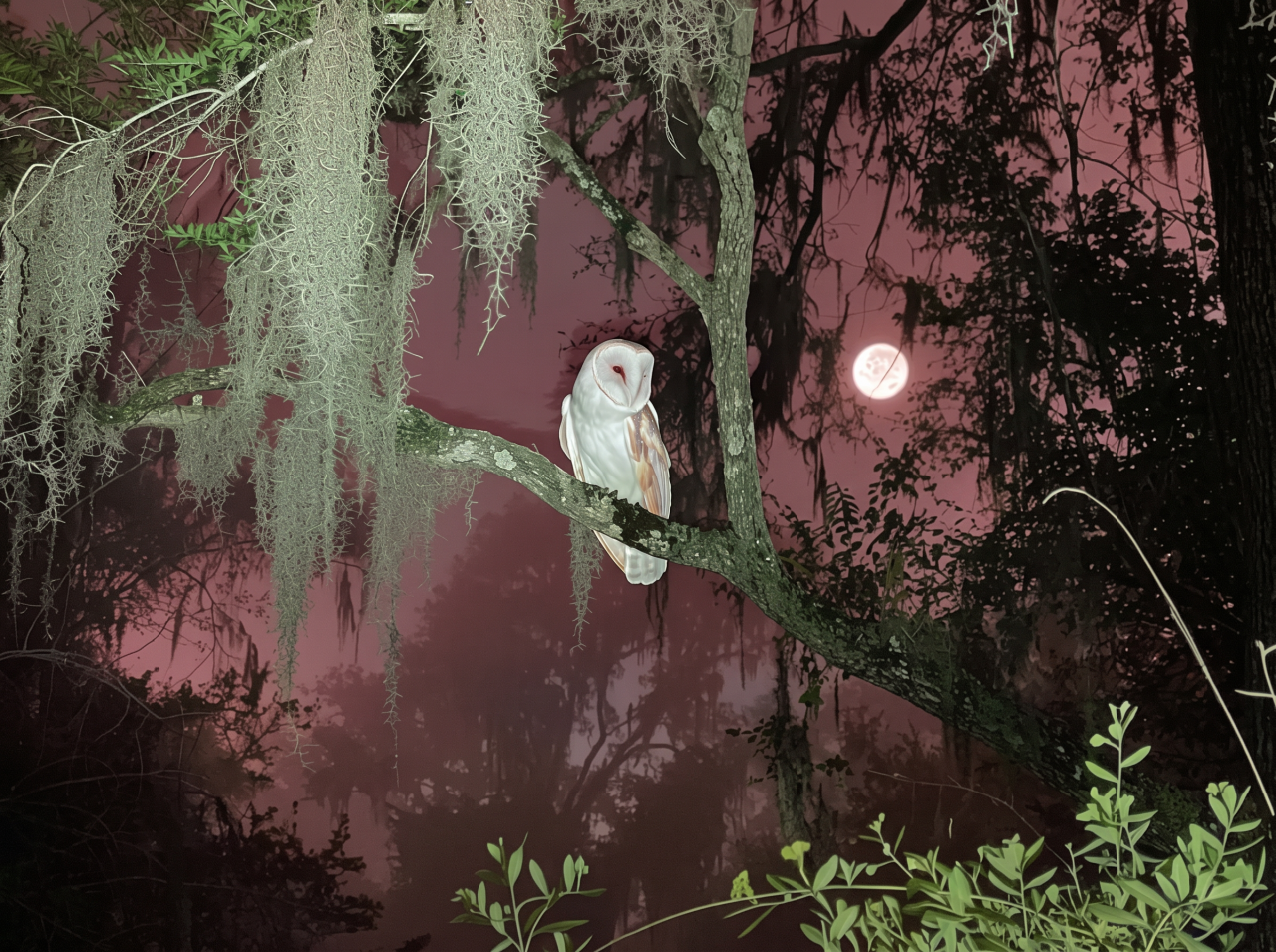
3. Hearing an Owl at Night
The beautiful meaning: Wisdom can arrive from the places you cannot yet see clearly.
The owl has been treated as an omen of death or misfortune in some European and other folk traditions, largely because of its nocturnal nature and haunting call. Yet ancient Greek tradition gave the owl an entirely different reputation through its association with Athena, goddess of wisdom.
That contradiction is beautiful in itself. The creature associated with darkness is also associated with seeing through it. An owl does not need daylight to know where it is going. Keep that meaning close when your own future feels uncertain. You do not always need the entire path illuminated before you can trust what you already know.
4. Seeing a Snake
The beautiful meaning: You may be ready to leave an old version of yourself behind.
Snakes have been feared across countless stories and traditions, often representing danger, temptation, or something hidden nearby. Yet their ability to shed their skin has also made them enduring symbols of renewal and regeneration.
That makes the snake one of the most interesting “bad” signs you could encounter symbolically. It carries the reminder that growth eventually makes an old skin impossible to remain inside. If your life has started feeling too small, uncomfortable, or unfamiliar lately, it may not mean everything is going wrong. You may simply be reaching the point where something you once fit inside no longer fits you.
5. Breaking a Mirror
The beautiful meaning: Even the oldest superstition contains an ending point.
The famous belief that breaking a mirror brings seven years of bad luck is often traced to ancient Roman ideas connecting mirrors with the soul. The number seven has been linked to a Roman belief that human life or the body renewed in seven-year cycles, meaning even the supposed misfortune eventually came to an end.
And that is strangely hopeful. Even inside a superstition about terrible luck was the belief that bad fortune could not last forever. Something would renew. The cycle would finish. You would eventually emerge on the other side. A broken mirror may be terrible news for the floor, but perhaps its old folklore carries one comforting reminder: no difficult chapter gets to claim the rest of your life.
6. Spilling Salt
The beautiful meaning: You can do something after bad luck finds you.
Spilling salt became associated with bad luck in European superstition, but the tradition came with its own remedy: throw a pinch over your shoulder to counteract the misfortune. Variations differ about which shoulder, but the important part may be what the superstition reveals about the people who practiced it.
They believed the omen did not have to be the end of the story. Something could be done next. That is a surprisingly lovely philosophy to inherit. You cannot prevent every disappointment, mistake, ending, or badly timed event from entering your life. You can decide what happens after it does.
7. The Number 13
The beautiful meaning: Something new begins when the old pattern is broken.
Thirteen became one of the Western world’s most infamous unlucky numbers, with explanations often tied to religious and mythological traditions. Part of its strangeness also comes from what precedes it: twelve repeatedly appears as a number of completion — twelve months, twelve zodiac signs, twelve hours on a clock — and thirteen is the number that steps beyond that familiar structure.
Which makes thirteen surprisingly easy to reclaim. It is what happens after completion. The extra number. The step beyond the pattern everyone already understands. If you have spent your life trying to make everything happen in the expected order, thirteen offers a more interesting message: sometimes what comes next begins by breaking the sequence.