
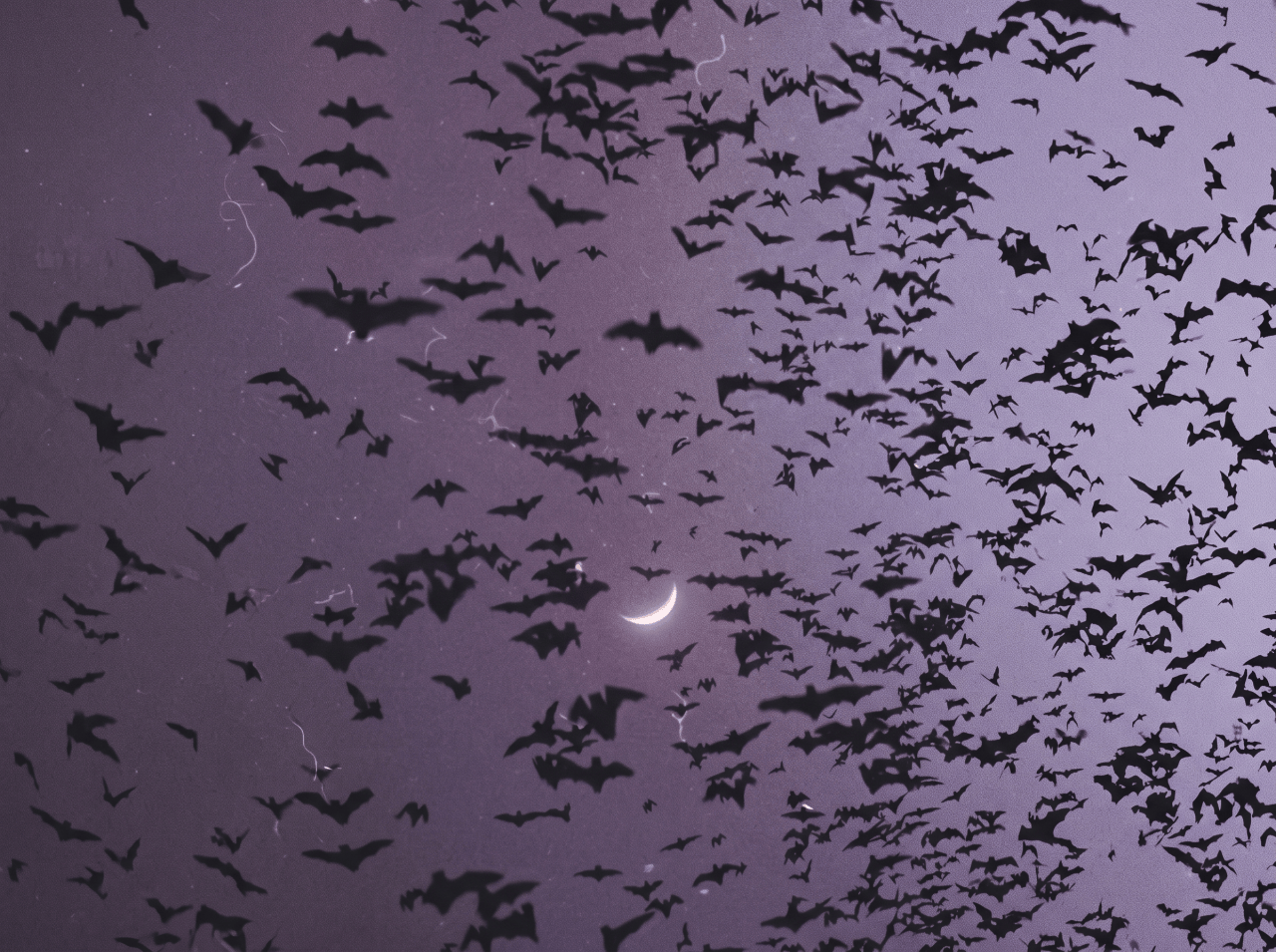
Why October Has Been Associated With Signs, Spirits, and the Unseen for Centuries

October did not become the month of ghosts, witches, omens, and strange coincidences by accident. Long before Halloween was roped to costumes and candy, the end of October sat at the meeting point of older seasonal traditions concerned with the end of the harvest, the arrival of darkness, the remembrance of the dead, and the possibility that the world we can see might briefly move closer to the one we cannot.
A lot of what we associate with October can be traced to Samhain, the ancient Gaelic festival marking the end of summer and the beginning of the darker part of the year. It was a threshold in the calendar, a moment when one season had ended and another was beginning. Folklore surrounding Samhain became connected to spirits and supernatural beings, and traditions involving bonfires, disguises, protection, and encounters with the otherworld grew around it.
This is where the idea of October as a “thin” time comes from. The popular phrase that “the veil between worlds is thinnest” is a modern way of describing a much older collection of beliefs rather than a phrase we can neatly trace back to ancient Celts. But the underlying idea is ancient: the end of the harvest year was treated as a liminal period, a threshold when ordinary boundaries felt less fixed. The living remembered the dead. Stories of spirits became part of the season. Darkness arrived earlier each night. Nature itself seemed to be moving from abundance into disappearance.
Christian tradition added another layer. All Saints’ Day came to be observed on November 1, followed by All Souls’ Day on November 2, creating a period devoted to saints and the dead. The evening before All Saints’ Day became All Hallows’ Eve, eventually shortened to Halloween. Rather than one tradition simply replacing another, customs and beliefs mingled over centuries, helping create the strange combination October still carries today: death and celebration, fear and reverence, the sacred and the supernatural.
But October was not only associated with spirits. It became a time for trying to see the future.
For generations, Halloween traditions included forms of divination. People looked for omens about love, marriage, luck, and what the coming year might hold. Historical newspaper accounts describe Halloween games meant to forecast romantic futures, while early books documenting Halloween customs preserved rituals intended to reveal the identity of a future spouse.
That part of the history feels close to the way people still experience October now. We may no longer throw apple peels over our shoulders hoping they form the initial of the person we will marry, but we still pay closer attention this month. We notice the dream that feels unusually vivid. The person we were thinking about who suddenly reaches out. The same number appearing everywhere. The song that finds us at exactly the right moment. The feeling that something is ending before we have proof that it is.
For centuries, human beings have used this point in the year to look beyond what was immediately visible. They remembered people they could no longer see. They told stories about spirits moving through the night. They searched ordinary things for clues about what might happen next. They gathered around fires and told stories about everything they could not explain. The season gave people permission to wonder whether life contained more than what could be touched.
October itself makes those beliefs easy to understand. The natural world is visibly letting go. Leaves change color and disappear. Daylight retreats. Fields empty. The air changes. Places that felt familiar in summer suddenly look different in the dark. You can understand why people living much closer to the rhythms of the land might have experienced this point in the year as a crossing.
And that is why October still feels a little different, even after the old rituals have changed.
You do not have to believe that every coincidence is a message or that something supernatural happens when the calendar reaches October 31. The history is interesting because humans have been asking those questions for such a long time. What survives beneath the ghosts, witches, candles, charms, and stories is an ancient fascination with the same possibility: that there may be moments when we become more attentive to what we cannot explain.
If October makes you feel more intuitive, nostalgic, aware of your dreams, drawn toward people from your past, or unusually sensitive to coincidences, you are participating in a very old human impulse. People have been looking into the October darkness and wondering what might be looking back for centuries.