
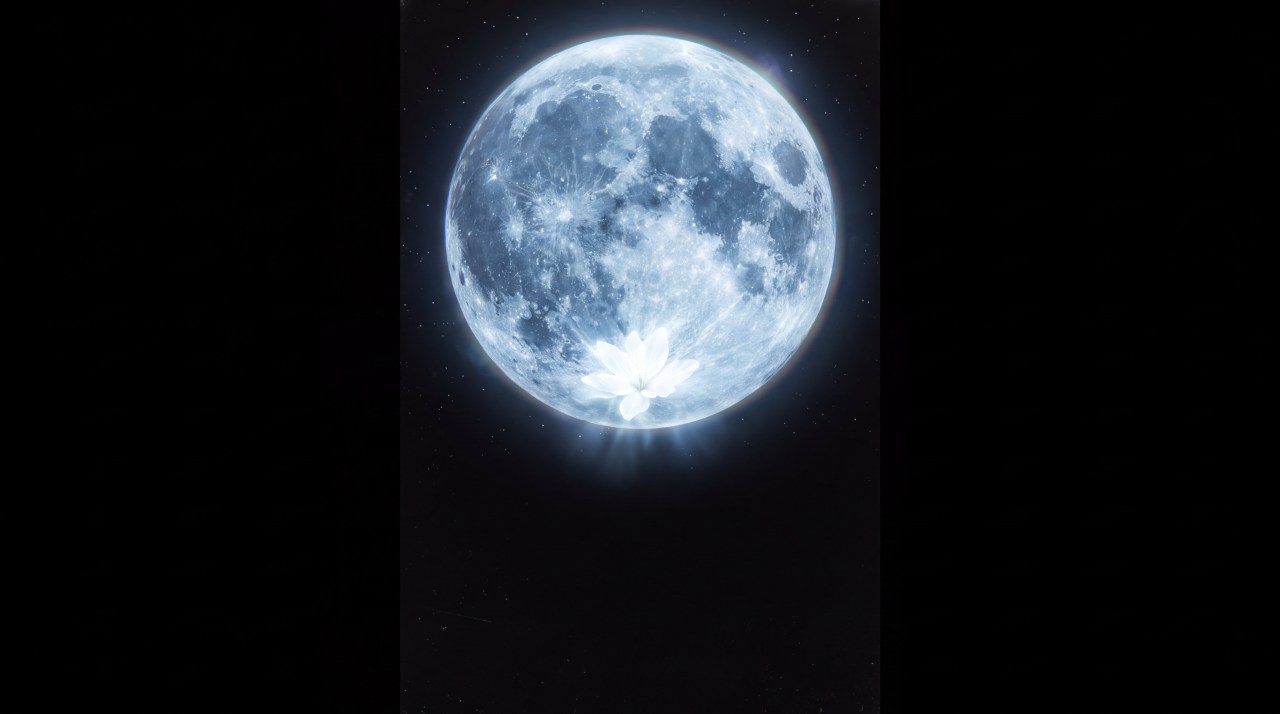
Full Moon Calendar 2027: Names, Dates, And Meanings
There’s a particular pleasure in catching a full moon on an ordinary evening. You’re carrying something in from the car, you look up, and suddenly the errand can wait a minute. Knowing when the next full moon arrives gives you something simple to look forward to.
In 2027, there are 12 full moons, including a seasonal Blue Moon on May 20. Below are their dates, the familiar names used in many North American calendars, and the seasonal meanings behind them.
Every Full Moon Date In 2027
These dates use U.S. Eastern Time. June and November fall on the following date in UTC, as noted below. Each date marks the moment the Moon reaches its full phase; your local date may differ.
January 22 — Wolf Moon
February 20 — Snow Moon
March 22 — Worm Moon
April 20 — Pink Moon
May 20 — Flower Moon / seasonal Blue Moon
June 18 — Strawberry Moon (June 19 UTC)
July 18 — Buck Moon
August 17 — Sturgeon Moon
September 15 — Harvest Moon
October 15 — Hunter’s Moon
November 13 — Beaver Moon (November 14 UTC)
December 13 — Cold Moon
What The Full Moon Names Mean
These familiar names draw on Indigenous North American and European traditions, with different names used by different communities. They reflect seasonal changes in weather, plants, and wildlife, generally following the Northern Hemisphere’s seasons.
January: Wolf Moon
The Wolf Moon takes its name from the howling of wolves in winter. It evokes the sound of animals calling to one another across a quiet landscape.
February: Snow Moon
The Snow Moon reflects the heavy snowfall associated with this time of year in parts of North America. Storm Moon is another name for it.
March: Worm Moon
The Worm Moon is associated with life returning as the ground warms. Explanations of the name include earthworms appearing in the soil and larvae emerging from winter hiding places.
April: Pink Moon
The Pink Moon is named for early spring flowers, particularly the pink blooms of creeping phlox. The color belongs to the flowers, rather than the Moon.
May: Flower Moon
The Flower Moon celebrates the abundance of spring blooms. In 2027, it also carries the seasonal Blue Moon designation.
June: Strawberry Moon
The Strawberry Moon marks the season of ripening strawberries in North America. Rose Moon is a European alternative.
July: Buck Moon
The Buck Moon refers to the new antlers growing on male deer during this part of the year.
August: Sturgeon Moon
The Sturgeon Moon recalls the seasonal abundance of these large fish in parts of North America, particularly around the Great Lakes.
September: Harvest Moon
The Harvest Moon is the full moon closest to the September equinox. In 2027, it falls on September 15 in Eastern Time; in other years, the name can belong to October’s full moon.
October: Hunter’s Moon
The Hunter’s Moon follows the Harvest Moon. Its name recalls the season of hunting and gathering provisions for winter.
November: Beaver Moon
The Beaver Moon is associated with beavers preparing for winter. Another explanation connects the name with the historical beaver-trapping season.
December: Cold Moon
The Cold Moon takes its name from the arrival of winter cold. Long Night Moon is another name associated with this season.
Why May 20 Is A Blue Moon
A Blue Moon has two common definitions. The monthly version is the second full moon in one calendar month. The seasonal version is the third full moon in an astronomical season containing four. May 20, 2027, is a seasonal Blue Moon, as listed by timeanddate.
That’s why 2027 can have a Blue Moon while still having only one full moon in each calendar month. “Blue” describes its place in the calendar, not its color.
How To Enjoy The Full Moons In 2027
You don’t have to catch the exact instant. NASA explains that the Moon appears full for a couple of days, so a daytime peak doesn’t mean you’ve missed your chance. Check the local moonrise time and weather when choosing an evening to look.
You might make a small tradition of it: an evening walk, a few minutes by the window, or a message to someone who would enjoy the view. A full moon gives an ordinary night something worth stopping to notice.