
Are You Experiencing a Persephone Year or an Athena Year?

The ancient Greeks believed that every god represented more than a divine figure. They embodied different ways of living, loving, grieving, and finding meaning in a world that was just as unpredictable then as it is now. Athena wasn’t simply the goddess of wisdom. She came to symbolize discernment, strategy, and the quiet confidence that comes from trusting your own judgment. Persephone wasn’t simply the queen of the underworld. She became a symbol of the part of us that is forever changed by loss, heartbreak, and the experiences we never would’ve chosen for ourselves.
Thousands of years later, it’s difficult not to notice these same patterns in our own lives. There are years that pull us inward, asking us to let old identities fall away and sit with parts of ourselves we’ve spent a long time avoiding. Then there are years that call us back into the world with stronger boundaries, steadier instincts, and a deeper understanding of what deserves our energy. Looking back, most of us have lived through both. We just didn’t have names for them.
How Do You Know Which Season You’re In?
Although Persephone and Athena couldn’t be more different, they aren’t competing archetypes. One isn’t stronger, or wiser, or somehow more evolved than the other. They represent different kinds of transformation. Persephone embodies the years that ask us to surrender to the kind of change we never would have chosen for ourselves. Athena represents the years that ask us to build a life from everything those experiences cracked open within us.
The mistake is thinking that these myths describe different kinds of human beings. They don’t. They describe different chapters of a life. Most of us will move between them more than once, because transformation rarely asks the same thing of us twice. Some seasons ask us to let go. Others ask us to decide what deserves to come with us into our next season.
The Heavy Alchemy of a Persephone Year
A Persephone year almost never begins because you chose it. Like the myth itself, it begins with an interruption, a fracture. A relationship ends before you’re ready. A career you have built your identity around no longer feels like it belongs to you. The future you imagined for so long slips through your fingers, leaving you to make sense of a life you no longer recognize. Sometimes there isn’t even one defining, or destabilizing moment. The change happens gradually, until one day you realize you have been trying to hold together a version of yourself that has already begun to fall away.
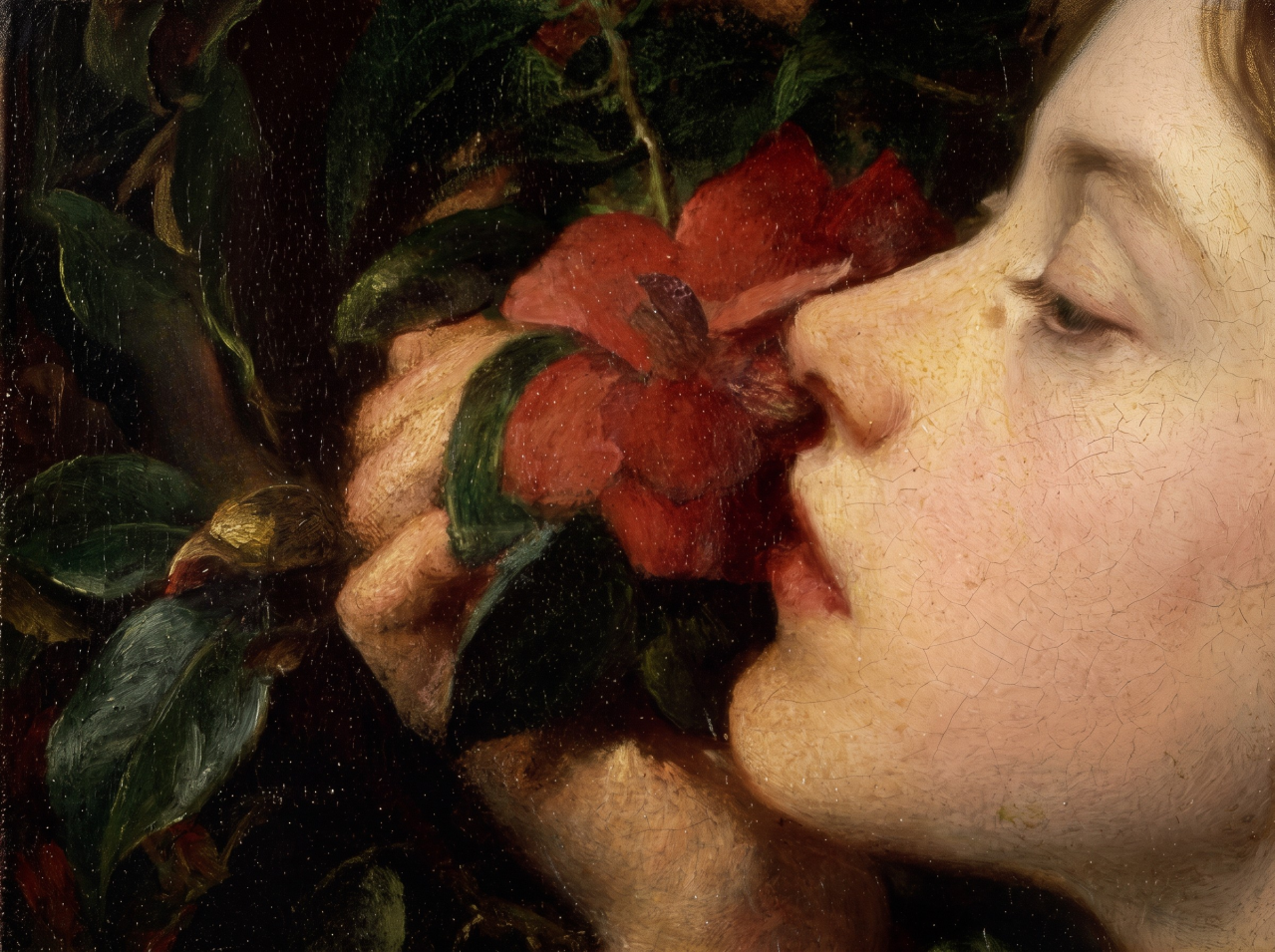
What makes Persephone’s story so resonant is not the fact that she descends into the underworld. It’s that she never expected to go there. One moment she’s gathering flowers, the next she’s navigating a world she never would have entered willingly. The Greeks seemed to understand something we still wrestle with today: the most significant transformations rarely begin with a conscious decision. More often than not, they begin with a disruption that forces us to confront parts of ourselves we would rather leave untouched.
It’s natural to spend this season trying to get back to who you were before everything changed. We convince ourselves that if we can repair the relationship, or recreate the plan, or undo the loss, life can continue where it left off. Persephone’s story suggests something much more disorienting: there are seasons that cannot be reversed because they were never meant to be. The underworld isn’t simply a place of suffering. It is the place where illusions lose their strength, it is where grief asks to be acknowledged instead of managed, it is where identities that no longer fit begin to soften, whether we are ready for that or not.
The greatest danger of a Persephone year isn’t the loss itself. It is believing that the loss is all that is left of you. When you have spent enough time surviving, it is easy to mistake survival for your identity. But Persephone doesn’t remain the frightened woman who entered the underworld. She returns carrying something she couldn’t have found anywhere else — the confidence that she can meet whatever comes next without abandoning herself in the process, and that while life may not be void of darkness, she can always count on her strength to find the light within it again.
The Authority of an Athena Year
If Persephone represents the years that change you through surrender, Athena represents the years that ask you to trust what you have learned, to trust what has shaped you. She wasn’t remembered because she was intelligent. She was admired because she could see situations for what they were instead of what she wished they might become. Her wisdom wasn’t detached from emotion, it was deeply anchored in perspective.
An Athena year will never arrive with the same darkness as a Persephone year. Instead, it shows up in your life in quieter ways. You stop chasing explanations from people who have already given you their answer through their actions. Decisions that once kept you awake at night become surprisingly straightforward to make. Opportunities that once felt impossible to turn down lose their appeal if accepting them means that you would be betraying yourself. The emotional noise begins to settle, replaced by something steadier. You begin trusting your own judgment, your own discernment.
It’s easy to mistake this season for becoming colder or more detached from softness, but that is not what is happening. In an Athena year, you are becoming more discerning. You recognize the difference between someone’s potential and who they have consistently shown themselves to be. You stop confusing being chosen with being valued, or being busy with moving in the right direction. Boundaries no longer feel like walls you have to defend, they become a reflection of the life you are trying to protect.
Like every archetype, Athena has a shadow. Discernment can become distance if we are not careful. After working so hard to protect our peace, we can begin mistaking emotional self-sufficiency for emotional health. But Athena’s wisdom was never about closing yourself off from the world. It was about learning that openness and discernment were never meant to exist without one another.
Why We Need Both
It’s easy to admire Athena and resist Persephone. Most of us would rather become wiser without first becoming undone. But Greek mythology offers a different understanding of transformation. The qualities we associate with Athena are rarely formed in life’s easiest seasons. Instead, they’re forged in the kinds of experiences Persephone represents.
Heartbreak changes what we’re willing to overlook. Grief rearranges our priorities. Disappointment strips away fantasies until we’re left with something much more honest than certainty. By the time an Athena year arrives, it usually isn’t introducing wisdom for the first time. It’s revealing the wisdom that was taking shape while we were still trying to make sense of everything we had lost.
That is why these stories continue to endure. They remind us that transformation doesn’t happen in one fell swoop. It moves in seasons, each asking something different of us. Some years invite us into the underworld, where we’re asked to release old identities and confront the truths we have spent years avoiding. Others invite us back into the light, asking us to trust ourselves enough to build a life that reflects everything we’ve learned there.
The question isn’t whether you’re more like Persephone or Athena. It’s whether your life is asking you to surrender, or whether it’s asking you to step forward. The answer changes more than once over the course of a lifetime, and that is exactly what the ancient Greeks were trying to tell us all along.