
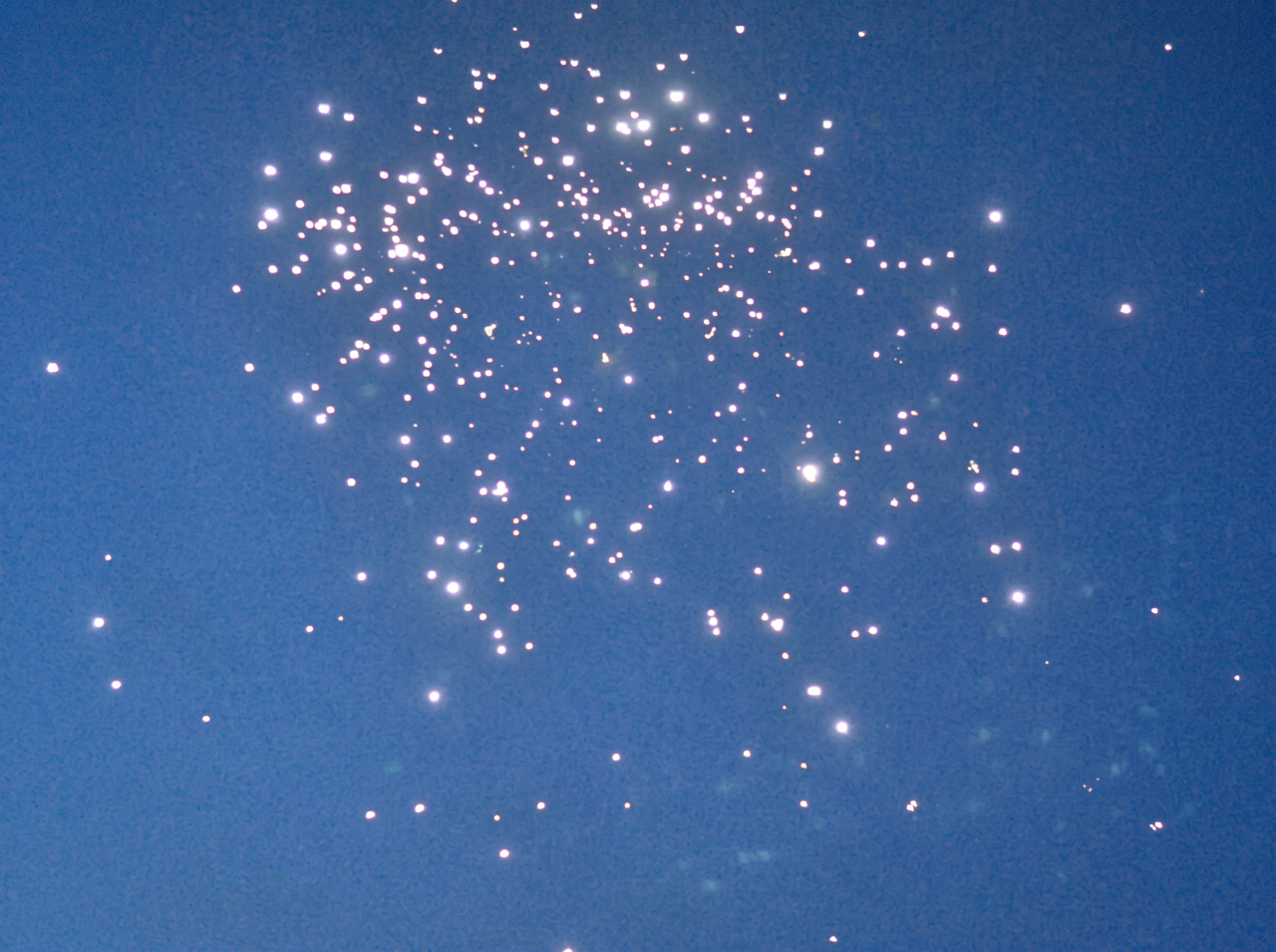
The Perseid Meteor Shower is the Summer’s Most Powerful Reminder to Look Up. Here are the Best Places in North America to Watch It.

August may mark the end of summer, but it has the decency to offer one final, dazzling show before it makes its grand exit: the Perseid Meteor Shower. Each August, for a few magical nights, the night sky teems with shooting stars, appearing mostly brightly between midnight and dawn.
The Perseids are not a rare, once-in-a-lifetime astronomical event, like a conjunction of planets or an eclipse. On the contrary, this meteor shower is as consistent and reliable as an annual Fourth of July fireworks show, and there’s no reason why it shouldn’t become a similarly memorable tradition.
On August 12 and 13, when the Perseids will be at their most visible, thousands of people will roadtrip to certain places in North America to stargaze. The best vantage point is a rural, big-sky location: somewhere with a clear horizon and no light pollution.
Take a drive out to one of these locations with your reclining chair, turn your gaze to the skies, and settle in for a dazzling finale to the summer.
Death Valley National Park (Southeastern California)
Skip Joshua Tree, which is impossibly crowded during stargazing season, and head to Death Valley. It’s the country’s largest national park with the most intimidating name and the most dramatically high temperatures. Situated directly on the California-Nevada border, Death Valley remains one of the most popular spots on the West Coast to see the Perseids. There’s something intensely poetic about watching shooting stars in the desert.
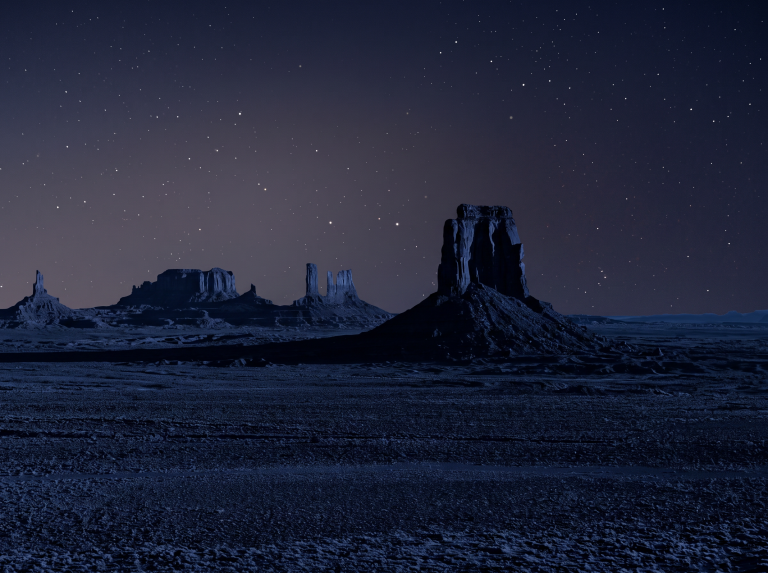
Jasper National Park (Jasper, Alberta)
One of only a few nationally recognized Dark Sky Preserves in Canada, Jasper is an idyllic alpine town that attracts stargazers all year round, but especially during the summer months, when the weather is warmer and the Perseids are active. The natural landscape is jaw-droppingly beautiful, with natural lakes fed from glaciers and snow-capped mountains that overlook the Athabasca River Valley.
Bryce Canyon National Park (Southwestern Utah)
In this bizarre and otherworldly national park, surreal reddish spires of eroded rock, known as hoodoos, surround a plateau that looks like a Roman amphitheatre. It’s a landscape that may as well belong to another planet, but it’s right in the heart of Mormon country, a short drive from Las Vegas. Bryce Canyon never got the international popularity that nearby Zion and Grand Canyon National Parks acquired, so it’s on the quieter side. If you’re the type who prefers to stargaze in solitude, this is the perfect place.
Cherry Springs State Park (Coudersport, Pennsylvania)
Stargazers on the East Coast count this state park, close to the border of New York State, as one of the best places in the country to see the Perseids. An astronomy observation field, shadowed by lush cherry trees, is designated for all the tourists that make the pilgrimage to the spot just off Pennsylvania Route 44. They know their audience: trails and nearby motels are named after comets and constellations.
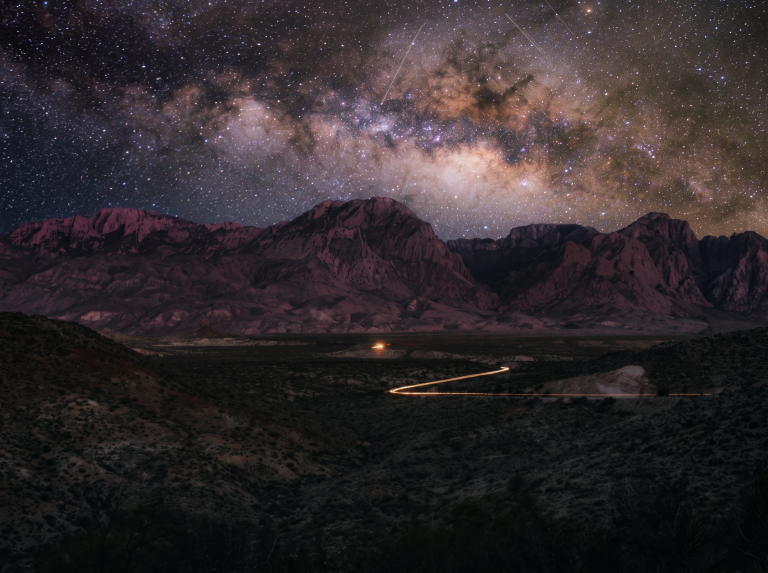
Big Bend National Park (West Texas)
The south’s gold standard for skywatching is directly on the border of Mexico, with a mountain range, river canyons, limestone cliffs, and even hot springs encompassing this picturesque desert landscape. Big Bend is so remote that a totally unobstructed view of the night sky is possible, making it a hugely popular spot for amateur astronomers.