
Every Constellation You Can See This Month

The weather might be getting a little bleak, but if you’re the type of person who finds joy from searching the skies, you won’t be bored over the next month. November is, in fact, one of the most visually interesting months. With mythological marine animals, flying seahorses, and a dramatic meteor shower, there are many stunning constellations, asterisms, and other planetary alignments to come this month.
This month, the autumn and winter skies begin to fade into one another, bringing the best of both worlds to the northern hemisphere. November is the midpoint. This liminal bridge between one season and the next offers a unique glimpse into what happens behind the scenes. For the most part, this annual transition is happening off-stage, but if you stop and take a closer look, you can literally watch the skies change along with the leaves.
If you’re especially discerning, you can see the subtle differences from one night to the next. The transition will unfold gradually over the month, with certain stars rising earlier at night and dramatically changing the tableau overhead.
Let’s take a look at some of the most prominent constellations, many of which are strongly associated with oceanic themes.
Cassiopeia
The queen mother of Andromeda, Cassiopeia is shaped like the letter W and is situated right next to the small square house-shaped asterism that represents Cepheus. The royal couple remain permanently linked in the stars. That said, Cassiopeia is definitely easier to find, with numerous bright deep sky objects fixed within its limits. There’s a double cluster, an orange giant, and even a heart-shaped nebula. How romantic!
Cepheus
The northernmost constellation in the autumn skies, Cepheus is shaped like a house. In mythology, it represents the Greek king and the father of Andromeda, who he attempted to sacrifice when he chained her to a rock at sea, knowing that a sea monster would soon come to devour her. Cepheus is not uncommonly bright, but it is easier to spot than others due to its size and proximity to other famous constellations, including royal Cassiopeia and the soaring swan Cygnus.
Andromeda
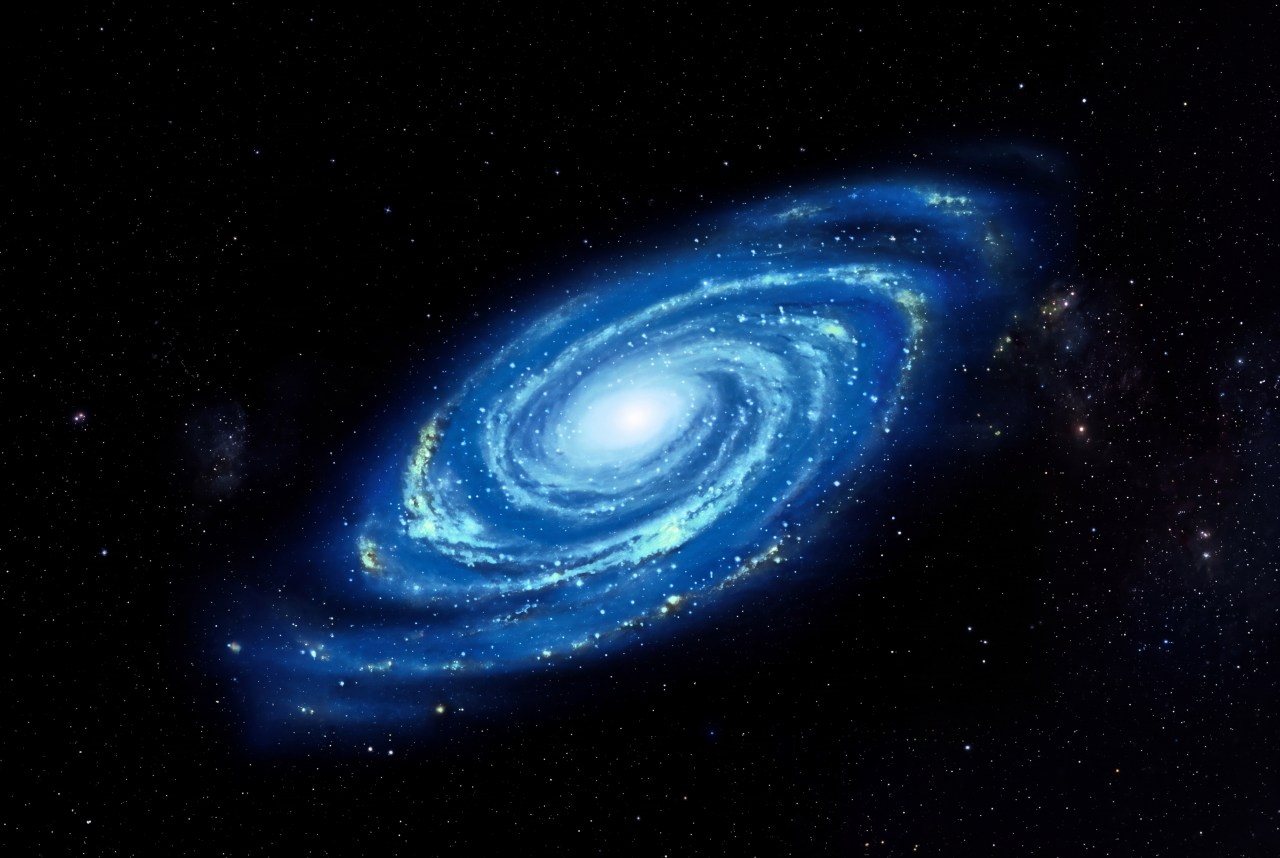
Our nearest galactic neighbor, known as the Andromeda Galaxy, is found within this constellation—and it’s one of the most distant objects you can see without a telescope. This time of year it’s especially visible, along with the triad of stars that form the dramatic Great Square of Pegasus.
Pegasus
Arguably the easiest guidepost in the northern skies, the winged horse appears to be flying upside down, but if you fix your eyes on the Great Square, you’ll be able to get your bearings. The ancient story of Pegasus made it clear that he was not only a flying horse, but also a seahorse capable of navigating the watery depths—his father was Poseidon, the god of the sea, who sent Cetus on a mission to flood the coastlands.
Cetus
The fourth largest constellation in the sky, Cetus can be spotted from any vantage point on Earth. It’s nicknamed “The Whale,” but it doesn’t really look much like the sea creature in question; in Greek mythology, Cetus was not a whale at all, but in fact a devilish serpentine monster sent to destroy Andromeda.
Pisces
Directly under the Great Square lies the swimming Circlet of Pisces, a small pentagon-shaped asterism representing the head of the fish. The Greeks believed that Aphrodite and her son Eros were permanently linked in this circle, but their familial love is less dramatic; the Pisces constellation is notoriously dim, with one exception: its grand-design spiral galaxy, Messier 74, which is almost breathtakingly beautiful.
Perseus
Every August, the dramatic Perseid meteor shower brings a stunning conclusion to the summer. But the constellation depicting Andromeda’s hero is still worth checking out later in the year, and you’ll be able to find it easily if you search for the bright, “winking” star known as Algol.
Orion
The great mythological hunter starts to appear in the evening sky at the beginning of November, where it grows in increasing brightness over the next few weeks. A stark, glittering symbol of winter’s arrival, Orion’s Belt is easily recognizable by its three distinctive rising stars, which appear blue-white and are arranged in a straight line. Once you hone in on this area, it’s easier to distinguish the rest of Orion and his bow.