
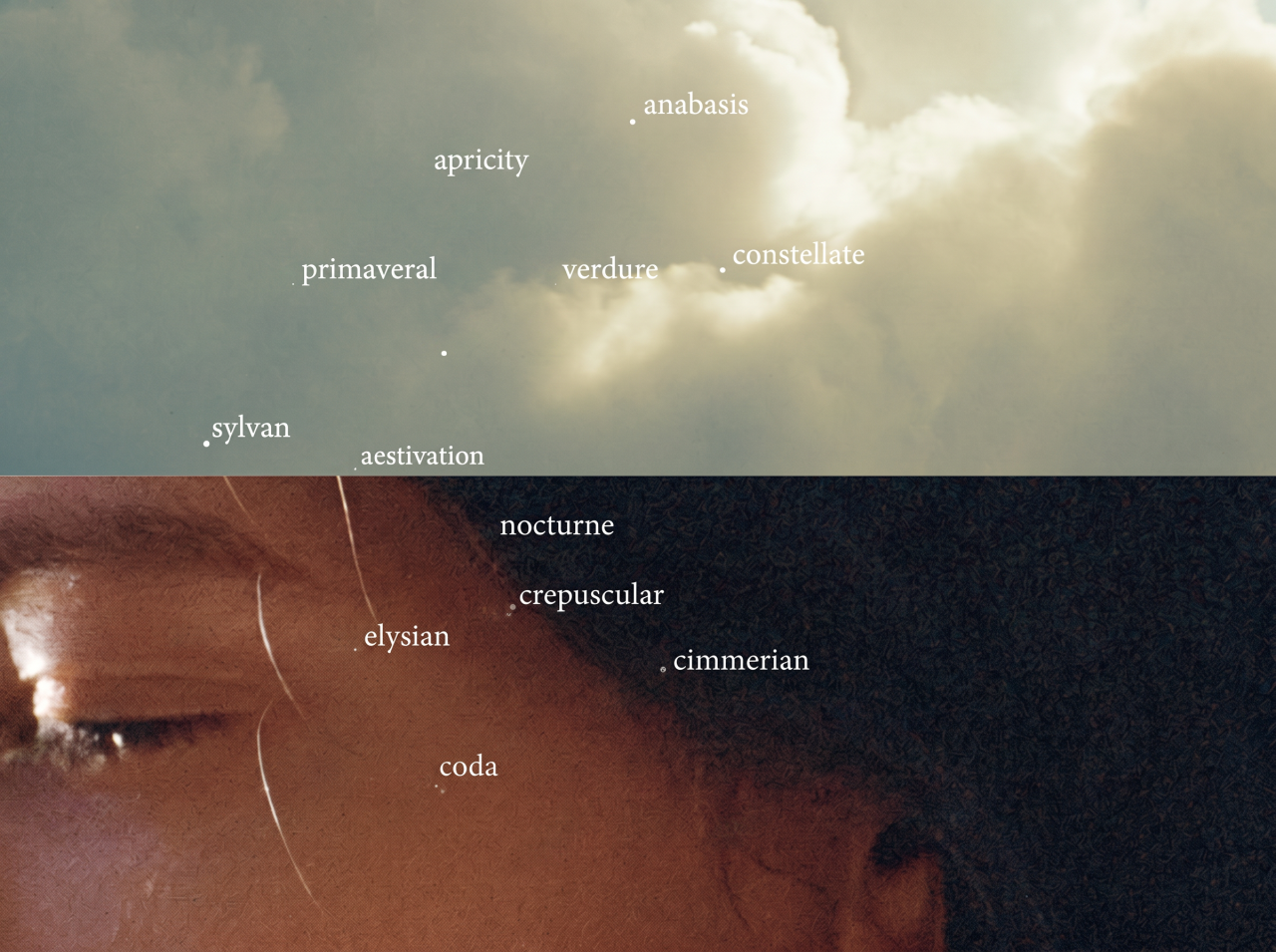
A Beautiful Word for Every Birth Month

It’s true that words can only so far; no one will ever come close to scratching the surface of all the echoes of meaning that can be expressed in each language.
Still, it’s worthwhile to try. You don’t necessarily need to read the dictionary cover to cover, but there’s value to having a larger vocabulary. Studies have repeatedly shown a correlation between having a large vocabulary and a successful career trajectory.
People who can write well typically also speak well, so they’re more likely to be confident and self-assured. There’s also a connection between high language ability and emotional awareness. When you know the exact words to describe your emotions, you can articulate yourself more clearly.
This is all just a complicated way of saying what we all know intuitively: language gives our life meaning, and provides the framework for how we communicate complex, expansive ideas. These words distill the rich, emotionally resonant essence of each month of the year.
January
anabasis
/əˈnabəsəs/
an ascent or advance, especially a march or journey upward in classic Greek military usage
February
apricity
/əˈpɹɪsɪti/
the warmth of the sun in winter
March
primaveral
(ˌpraiməˈvɪərəl)
of, in, or pertaining to the early springtime
April
sylvan
/ˈsilv(ə)n/
associated with woods, forests, and trees
May
verdure/ˈvərjər/
the lush, green color of fresh, healthy plants and vegetation
June
constellate
/ˈkän(t)stəlāt/
to gather, unite, or cluster together
July
aestivation
/ˌes.təˈveɪ.ʃən/
a state of animal or plant dormancy, similar to hibernation, that takes place in the summer; an obsolete term for spending or passing the summer
August
elysian
/ɪˈliː.ʒən/
beautiful, blissful, or divinely inspired; heavenly
September
nocturne
/ˈnäktərn/
a work of art, typically amusical composition or a painting, that is inspired by or evokes the atmosphere, tranquility, and mood of the night
October
crepuscular
/krɪˈpʌs.kjə.lɚ/
of, relating to, or resembling twilight
November
cimmerian
/səˈmirēən/
intensely dark, gloomy, or shrouded in perpetual shadow
December
coda
/ˈkōdə/
a concluding part of a musical section or dramatic work; something that serves to round out, conclude, or summarize