
Every Birth Month Has a Native Wildflower, Here’s What Yours Reveals

Wildflowers are as unique as the landscapes they occupy, adding color to fields and woodlands and enlivening suburban gardens. No matter whether it’s the bleak dead of winter or the height of the summer solstice, one thing about our natural world is certain: there will be an array of colorful wildflowers erupting forth from the earth, promising new life.
In fact, there is a wildflower for every month of the year, and each one is perfectly representative of the personality and character of its associated season. While you probably know your zodiac sign and birthstone, the native North American wildflower assigned to your birth month might be a new and interesting piece of trivia.
This year, you might be inclined to arrange a birthday bouquet featuring one of the following wildflowers, rather than the traditional clichés. Forget roses and sunflowers—these lesser-known plants will help you appreciate nature and its curious symbolism all the more.
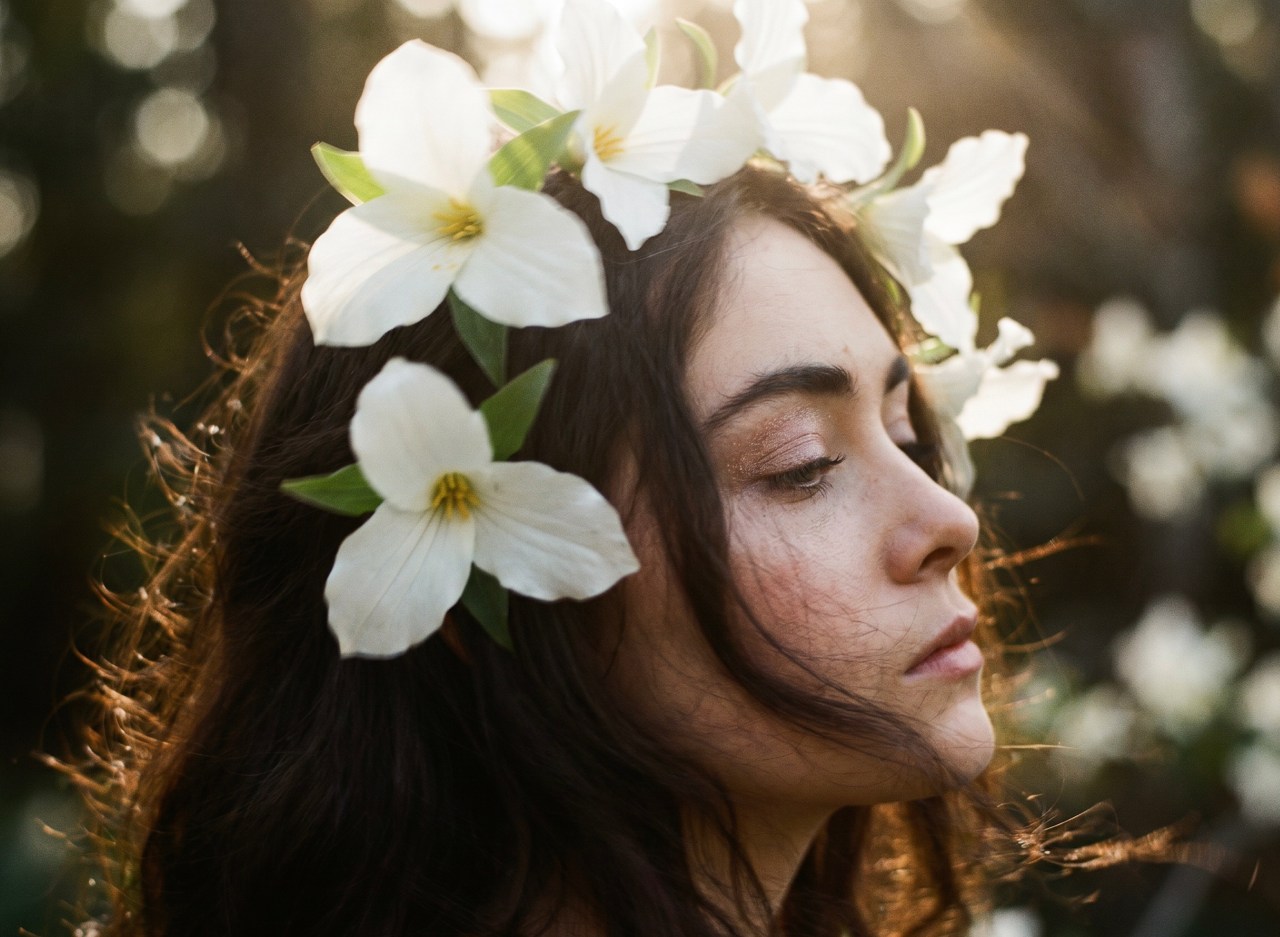
January: Great White Trillium
A resilient late-winter flower, the trillium grows along deciduous woodland floors and marshy areas across most of the United States and Canada. The white trillium is one of the most common examples of a spring ephemeral flower, known for its short life cycle. It appears in large, dense groupings, carpeting the forest floor like a velvet snowdrift.
February: Wild Blue Phlox
Found in fields across the eastern United States, the phlox is semi-evergreen but its flowers only bloom during a brief window of time in the early spring. February might be a blustery month, but this wildflower is a soft reminder of the warmer weather to come. Its petals are soft pastel colors, ranging from light pink to a lavender so dark it appears blue. It grows in creeping clusters along the forest floor and is highly attractive to butterflies.
March: Rocky Mountain Penstemon
Sometimes called the “beardtongue,” this evergreen perennial is native to the western United States, blooming in desert terrain and coniferous forests from Wyoming to Arizona. Its star-shaped purple flowers are resistant to drought and thrive in dry climates, blooming throughout the spring and early summer.
April: Butterfly Milkweed
Like the name suggests, this type of milkweed attracts butterflies, especially monarchs, due to its distinctive bright orange flowers and abundance of nectar. Native to eastern and southwestern North America, butterfly milkweed does well in dry, sandy, and sunny climates. It’s a favorite of gardeners, since it is very easy to cultivate and highly attractive not only to butterflies but moths and hummingbirds. It’s an idyllic spring flower that serves as a visual reminder of brighter days ahead.
May: Tennessee Coneflower
Easily recognizable by its unique lively purple petals, the coneflower is native to the middle Tennessee area around Nashville. Though it was once so rare that it made it onto the list of federally recognized endangered plant species, it has been recovered and now grows throughout at least ten counties in the state. It blooms during the summer months, and its colorful flowers move towards the sun throughout the day.
June: Anise Hyssop
This aromatic perennial is a kind of mint, and it is often used in herbal tea blends and as a garnish for food and cocktails. It’s a low-maintenance plant that smells strongly of licorice and attracts many kinds of pollinators, including bees and hummingbirds. Anise hyssop grows throughout most of the northern United States and Canada, thriving in the warmer months of the year. Its leaves are edible, and though it’s closely related to sage and peppermint, its growth is more restrained.
July: Gayfeather
This so-called “blazing star” grows in tall, feathery purple wands and attracts a rare type of moth called the glorious flower moth. The gayfeather is a popular replacement for similar invasive species, and thrives in both hot and humid climates, since it is native to the prairies and savannahs of the eastern United States. Plants grow quite tall but clusters expand only gradually, making it a perfect option for a small garden.
August: California Poppy
The official state flower of California, the tall poppy flowers for most of the year. Its petals range in color from bright yellow to bold red, making them an ideal transitional flower during the wistful month of August. As the summer closes out, the poppy blooms brightly in meadows across the western United States and Baja California. Since the poppy is native to desert landscapes, it’s extremely resilient, thriving during periods of drought and closing its petals at night and on overcast days.
September: New England Aster
Once many other summer flowers have died, the New England aster hangs on, blooming well into the middle of autumn. Its bright purple star-shaped flowers look similar to the daisy, and growth can be rapid and intense; it’s not exactly an invasive species, but it will spread rather prolifically if left unchecked. This late bloomer is native to the central and eastern states. It’s sometimes called the Michaelmas daisy, since it can bloom until the Feast of St. Michael on September 29.
October: Pink Evening Primrose
The delicate blush-colored flowers of these “pink ladies” are fragrant and attractive to pollinators, deepening in color as they age. Evening primrose has always carried an air of mystery since they open at dusk and close by early morning. They may hide from the sun, but they appreciate its warmth and radiance, blooming until mid-fall each year. They thrive in central grasslands, appearing as far north as Missouri and as far south as Mexico, and propagate very quickly.
November: Blue False Indigo
This perennial herb is very common to the Midwest, but it has been cultivated successfully in many other regions of North America. The blue false indigo is often found growing on the borders of wooded areas and along streams, as well as in prairies and meadows. It gets its name from its deep, rich violet flowers, which are sometimes used as a colorful dye. It grows fast, and in late fall, it turns a strange grey color and dissipates into the wind.
December: Wild Lupine
Distributed across the eastern states and provinces, wild lupine also grows on the sand dunes of the Atlantic coastline and has suffered serious decline in recent decades due to wildfires. It is endangered or threatened in several eastern states. Its devastation has led to the decrease of the Karner blue butterfly, which relies on it as its sole food source. This rare and beautiful purple wildflower remains hardy and resilient, recognizable by its tall, erect spires.