
The Position You Sleep In Reveals Your Deepest Insecurities And Strengths

The way you fall asleep is the closest thing you have to an unfiltered tell. Long after posture, manners, and self-presentation drop away, your body settles into the position that feels safest to it. That choice is not about comfort alone. It reflects how you brace yourself, how you soften, and where your confidence quietly gives way to vulnerability.
Most people fall into one of three sleeping styles: side, back, or stomach. Each one points to a different emotional strategy. The variations within them reveal how you manage closeness, control, and exposure when no one is watching.
Side Sleepers
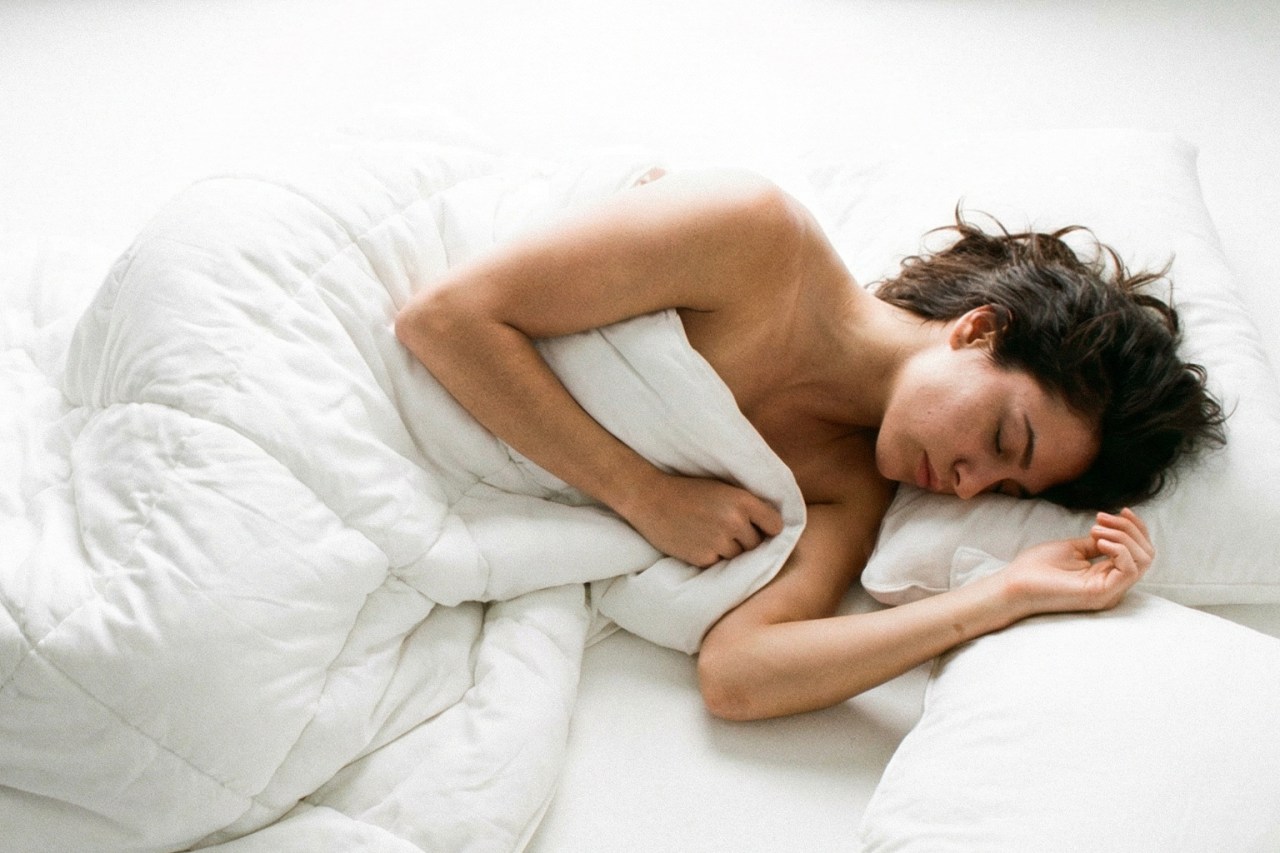
If you sleep on your side, you tend to meet the world at an angle rather than head-on. You are responsive, attuned, and rarely rigid. You adjust. You read the room. You feel things quickly, sometimes before you have words for them. That sensitivity is a strength, but it also means you carry more internal noise than you let on, which is why you’ve refreshed your email fourteen times today even though you know nothing important is coming. You’ve also had full conversations with people in your head that went much better than they would in real life.
Side sleeping has a few common variations, each revealing how you relate to safety.
If you curl inward into the fetal position, you are someone who needs emotional shelter to truly rest. You may appear tougher or more self-contained during the day, but your instincts lean toward protection at night. You are deeply empathetic and loyal once trust is established. You also own at least three weighted blankets and have Googled “how to stop overthinking” more times than you’d admit at brunch. At the same time, you can struggle with anxiety or a lingering fear of being too exposed. Comfort is not a luxury for you; it is a requirement, which is why you’ve left parties early to get back to your specific arrangement of pillows.
If you sleep in the log position, arms down and body extended, you tend to move through relationships with ease. People often experience you as open and friendly, someone who belongs naturally in groups. Your insecurity is not obvious because it hides inside trust. You may give people the benefit of the doubt longer than you should, which is how you ended up in three separate group chats with people you don’t actually like. You resist change quietly once you feel settled in your view of things, and you’ve definitely said “I’m sure they didn’t mean it like that” about someone who absolutely meant it like that. You are still Facebook friends with your ex’s mom.
If your arms reach forward in the yearner position, you are mentally active even at rest. You think, consider, weigh, and imagine. You are open to new ideas and connections, but commitment matters deeply to you. That depth can slow your decisions. What looks like hesitation is often a fear of choosing wrong or wanting something more than it wants you back. You’ve rewritten texts. You’ve drafted emails you never sent. You’ve stood in front of your closet for twenty minutes because somehow the outfit matters more than it should.
Back Sleepers
Back sleeping is the most exposed position the body can take, and it often belongs to people who value control, order, or self-containment. If this is how you sleep, you likely hold yourself together well in waking life. You appear steady. Capable. Hard to rattle. You are also the person who says “I’m fine” in a tone that could freeze water. When you finally do have a breakdown, it’s going to be over something small like running out of oat milk, and everyone will be very confused.
There are a few distinct back-sleeping patterns, and each reveals how you handle responsibility and vulnerability.
If you sleep in the soldier position, flat on your back with your arms at your sides, you are someone who lives by internal standards. You expect discipline from yourself and often feel most at ease when things are structured and clear. Your strength is reliability. Your insecurity lives in perfectionism. You may struggle with flexibility, take criticism personally, or keep emotional distance even when closeness would relieve more than it threatens. You have color-coded something in the last month that did not need to be color-coded. You’ve also mentally rewritten someone else’s email because it wasn’t formatted correctly.
If you sleep in the starfish position, arms and legs spread, you are emotionally generous by nature. You are the person others lean on. You listen. You make space. You show up. The risk for you is not vulnerability but overextension. You may give more than you receive and quietly ignore your own needs until they demand attention, which is how you ended up saying yes to helping someone move on the one Saturday you had free this month. You are beloved. You are also exhausted in ways you will not discuss at dinner parties.
Stomach Sleepers
Stomach sleeping is the least common style, and it often belongs to people who move through the world with noticeable energy. If this is your position, you likely lead with personality. You speak directly. You act quickly. You are not afraid to take up space. You have also been told you’re “a lot” by someone whose opinion you did not ask for and will not forget. You’ve considered getting it embroidered on a pillow.
The most common stomach-sleeping variation is the freefaller position, face down with your arms near the pillow. It suggests boldness on the surface, but also sensitivity underneath. You can handle excitement and stimulation easily, yet criticism lands harder than you would like to admit. When stress or confrontation hits, your confidence can slip into defensiveness faster than you can say “I was just being honest.” Your strength is presence. Your insecurity is how deeply you feel being challenged or rejected, which is why you’ve replayed a single offhand comment for three days straight and constructed an entire argument in the shower that will never happen in real life.