
Why are There Three Different Birthstones for June?

Why Are There Three Different Birthstones for June?
Happy birthday, June babies! This time of year is associated with the beginning of summer in the northern hemisphere and lends itself to a certain excitement. It’s also traditionally the height of wedding season, which makes it a profitable time for jewelers to sell romantic pieces.
If your birthday falls within the sixth month of the year, you’re either a Gemini (May 21 — June 21) or a Cancer (June 22 — July 22), but the birthstones for the month of June are a bit more complicated. There are three official birthstones, so if you’re picky about your jewelry, you have plenty of choice—but it wasn’t always this way, and the origin story of each individual gemstone is unique.
Pearl
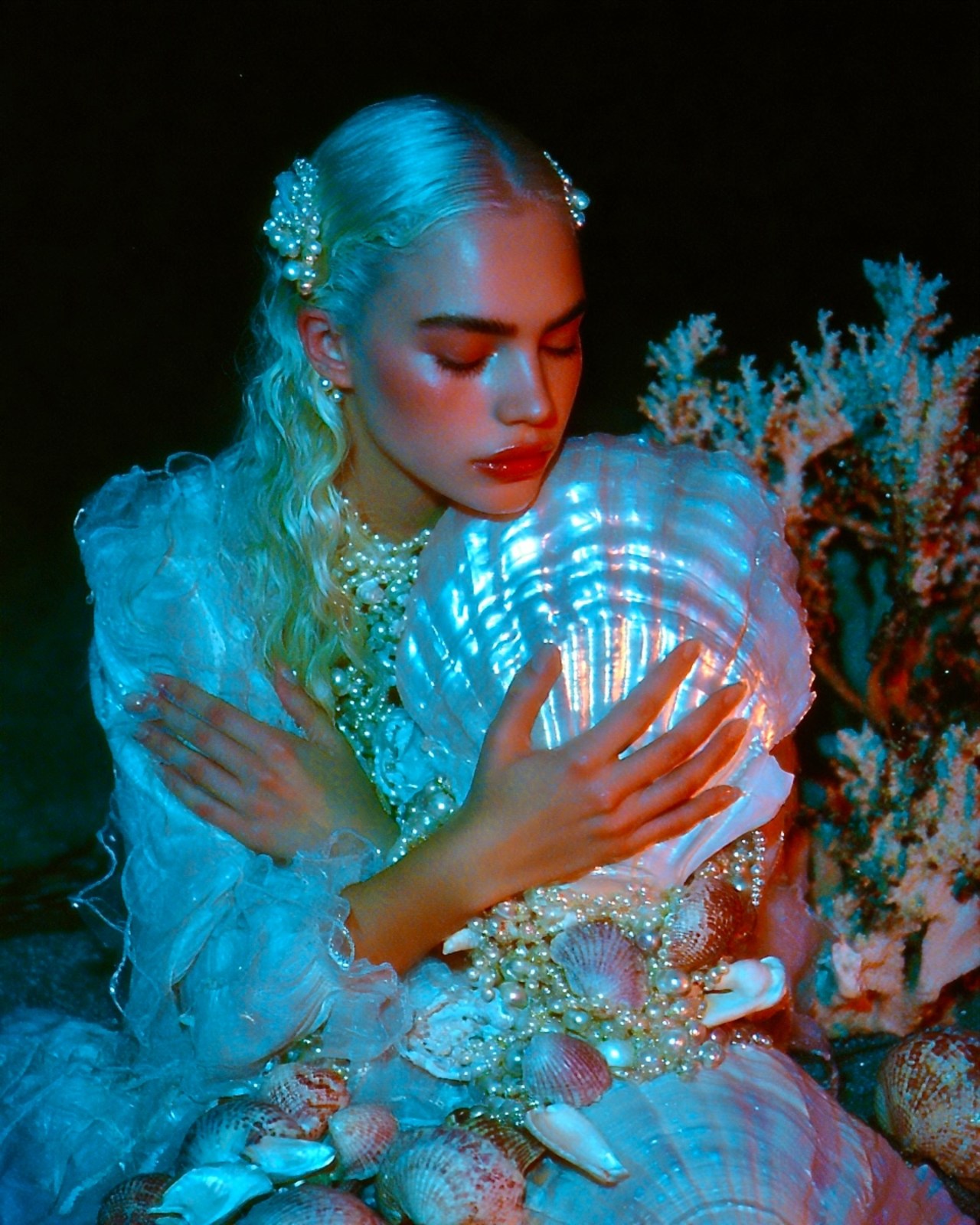
The oldest and most traditional birthstone is the pearl. If you played in your grandmother’s jewelry box growing up, this should come as no surprise—the elegant, dewdrop-shaped gemstone has heavy associations with Old Hollywood and the flapper culture of the 1920s, when women regularly adorned themselves with strings of pearls and wore them as earrings and brooches.
It may have solidified itself as a status symbol during America’s most prosperous years, but the pearl has a much older history. It had long been regarded as a symbol of everything Venusian (romance, love, purity, and aesthetics), in both Greco-Roman and Middle Eastern societies. In 1912, when the American National Association of Jewelers gathered to assign each birthstone for marketing purposes, the pearl seemed an obvious choice for June, one of the most popular months for marriage.
Moonstone
Meanwhile, marketing experts understood that trends were changing and that some people were looking ahead to the future. They were correct to assume this, as the Roaring Twenties ushered in a huge new wave of experimental fashion and the loosening of social restrictions, both of which were catalysts for the popularity of the moonstone, a tantalizing and mysterious alternative to the pearl.
Today it’s still a favorite of witchy and mystical types. The moonstone is a curious little gemstone that resembles the pearl in a lot of ways but with a more ethereal appearance. The original translucent, milky blueish moonstone is sourced from Sri Lanka, and other deposits can be found in Myanmar and India. For Americans it still remains a bit of an exotic rarity, and the classic blue sheen is highly coveted.
Alexandrite
Like something out of a fantasy novel, alexandrite looks green when sunlight hits it but takes on a reddish hue in the dark. This amazing color-changing phenomenon is part of the reason why it’s so highly coveted, and why gemologists around the world refer to the ultra-rare alexandrite as “emerald by day, ruby by night.”
It was first discovered in Russia in the 1930s, and though the original deposits in the Russian Ural Mountain Range are long gone, natural alexandrite can still be sourced in Brazil, Sri Lanka, and the East African countries of Tanzania and Zimbabwe. It’s pretty rare, and authentic Russian stones are difficult to find anywhere but the estate market. It was adopted as an official June birthstone in 1952, since people born in this month were regarded as especially dynamic and adaptable. This is certainly true of the Gemini nature.